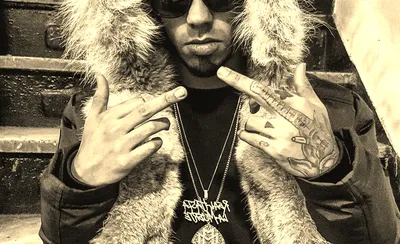



Anuel AA: The Latin Trap Pioneer
Emmanuel Gazmey Santiago, known professionally as Anuel AA, is a prominent figure in the Latin trap genre, celebrated for his innovative sound and cultural impact. Hailing from Carolina, Puerto Rico, he has established himself as one of the leading artists in Latin music, particularly known for his aggressive trap style intertwined with reggaeton rhythms. His rise to fame began with the release of his mixtape 'Real Hasta la Muerte' in 2016, and he has since collaborated with notable artists such as Bad Bunny, Ozuna, and Karol G.
In Phoenix, the energy of an Anuel AA concert is palpable. The performance at the Arizona Financial Theatre is a celebration of his extensive catalog, including hits from his latest album, Más Rico Que Nunca (2023). Fans can expect to hear chart-topping singles like "China," "Secreto," and "Ella Quiere Beber," all delivered with high energy that resonates throughout the venue.
The live experience is characterized by intense stage energy and a strong connection to his Puerto Rican roots. Anuel AA's concerts are known for their elaborate production, featuring large-scale urban concert setups that include LED video walls, pyrotechnics, and dynamic lighting. The atmosphere is electric, with audiences engaging in sing-alongs and experiencing the vibrant culture that Anuel embodies.
The Arizona Financial Theatre serves as an ideal backdrop for such a powerful performance. Its capacity to host large crowds enhances the communal experience of Anuel's music, allowing fans to immerse themselves fully in the rhythm and beats that define his artistry. The venue's design complements the high-energy performances that Anuel AA is known for, making it a significant location for Latin music events in Phoenix.
As one of the most-streamed Latin artists globally, Anuel AA continues to break records and push boundaries within the genre. His story of resilience—from overcoming personal struggles to achieving global recognition—deeply resonates with fans, making each concert not just a performance but a celebration of triumph and cultural identity.